
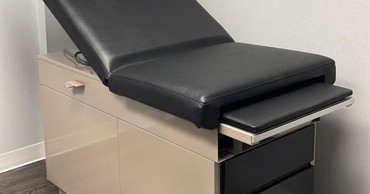
Signs Your Examination Tables Should Be Reupholstered
Posted by Cevi Med on 4th Dec 2025
Examination tables work harder than most pieces of equipment in a healthcare setting. Every exam, procedure, or consultation happens on this surface, so it must be comfortable and safe. This quick guide explains the clearest indicators that upholstery has reached the end of its lifecycle, along with practical steps to protect patients, staff, and your brand. Look for these signs that indicate your examination tables need to be reupholstered so that you can protect your practice.
Obvious Signs of Wear and Tear
Cracks and Tears in the Upholstery
Small rips rarely stay small. Stress points at table edges, corners, and seams often split first as foam compresses and covers stretch. Once a crack appears, fluids can penetrate the substrate, making thorough disinfection difficult. Adhesive patches create temporary fixes at best, but they also trap residue and can peel during cleaning. A continuous, intact surface is non‑negotiable in clinical environments.
Discoloration and Stains
Stains tell a story about chemical reactions, repeated cleanings, and penetration of dyes or bodily fluids. Discoloration also indicates material breakdown, which can lead to tackiness, dull surfaces, or patchiness that looks unclean even when sanitized. When color fading or blotches persist after proper cleaning, the examination table upholstery has likely degraded enough to warrant replacement.
Hardening or Flattening of the Cushioning
Patients notice if the office furniture doesn’t support their bodies. Cushion foam that feels board‑hard or slumps under weight no longer distributes pressure properly. That loss of resilience increases discomfort, especially for seniors, pregnant patients, or anyone with pain sensitivity. Flattened foam also reduces the table’s ability to absorb small movements, which can create slipping hazards during positional changes.
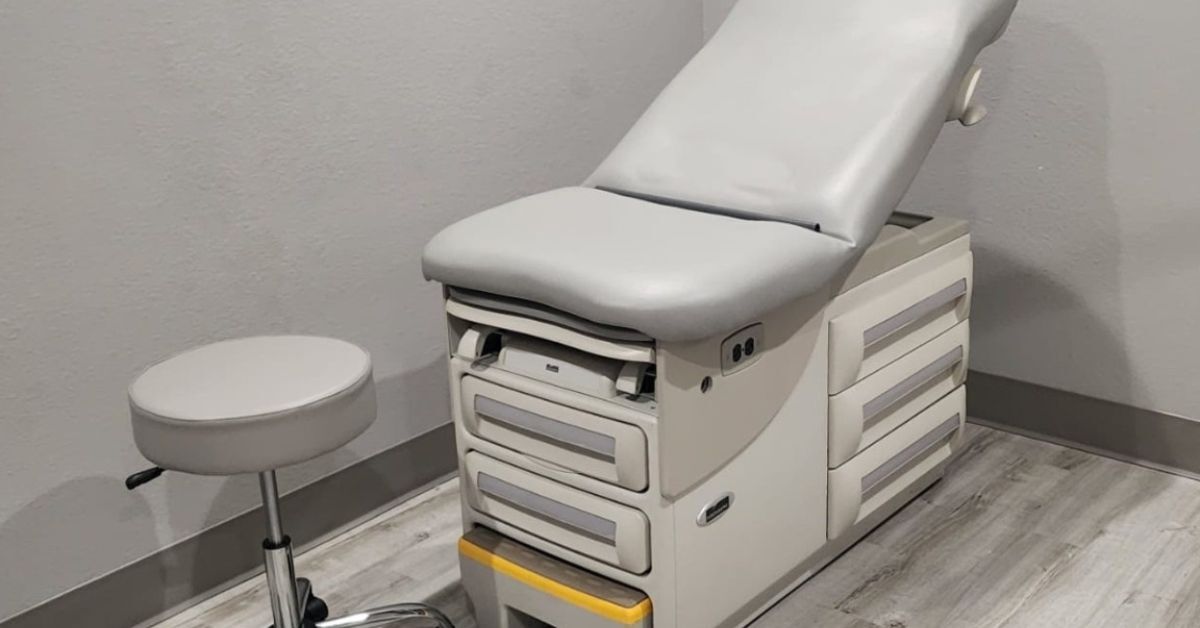
Hidden Dangers and Health Concerns
Risk of Infection and Bacteria Growth
Surface integrity is central to infection prevention. Microtears and seams act as micro‑reservoirs where moisture, biofilm, and contaminants can accumulate beyond the reach of surface disinfectants. Even rigorous protocols cannot compensate for damaged material that no longer presents a sealed, nonporous barrier. Maintaining an intact surface simplifies contact times for disinfectant usage and ensures compliance with infection control standards.
How Tears and Cracks Harbor Bacteria
Tears expose foam, threads, and adhesives. Those irregular surfaces dry slowly and can shield microbes from disinfectant. Repeated wetting and drying cycles then accelerate material breakdown, compounding the problem.
Importance of Maintaining a Sterile Environment
Clinical textiles are chosen for cleanability as much as comfort. Intact upholstery allows staff to follow label‑directed disinfectant use and achieve reliable results. That consistency reduces cross‑contamination risk between back‑to‑back appointments and supports audit readiness.
Compromised Patient Comfort and Safety
Comfort is not a luxury in healthcare; it is a component of safe care. Worn or slick upholstery allows patients to slide during transfers, especially when incline adjustments or stirrups are in use. Rough patches and exposed seams can abrade skin, increasing discomfort and the potential for minor injury. Calm, comfortable patients follow instructions more easily, which improves exam efficiency and helps clinicians achieve accurate readings.
Impact on Patient Comfort
Patients remember how a table feels. A firm yet forgiving surface reduces pressure on hips and shoulders, supports larger body types, and helps anxious patients relax. Comfortable tables also help pediatric visits go more smoothly, which matters for both child and caregiver experience.
Risks Associated With Slippery or Uneven Surfaces
Cleaning agents sometimes leave a temporary slick finish on degraded vinyls. That slickness, combined with compressed foam, increases the chance of slipping when patients sit up or reposition. Uneven cushioning can also make height transitions feel unstable, which can be unnerving and unsafe.
Impact on Practice Image and Patient Perception
Maintaining a Professional Appearance
Equipment condition can tell patients about your practice before staff ever say hello. Fresh, clean, well‑fitted upholstery signals attention to detail and a commitment to excellence. Frayed seams, discolored panels, or taped patches suggest deferred maintenance, which can undermine confidence in clinical quality. A professional appearance supports your brand promise and reassures patients that safety and hygiene come first.
Enhancing Patient Comfort and Satisfaction
Comfortable equipment improves perceived care quality and often shows up in satisfaction surveys. Positive experiences encourage repeat visits and strengthen referral networks. Small upgrades, like reupholstered tables, deliver outsized returns by reducing negative visual cues and eliminating avoidable discomfort.
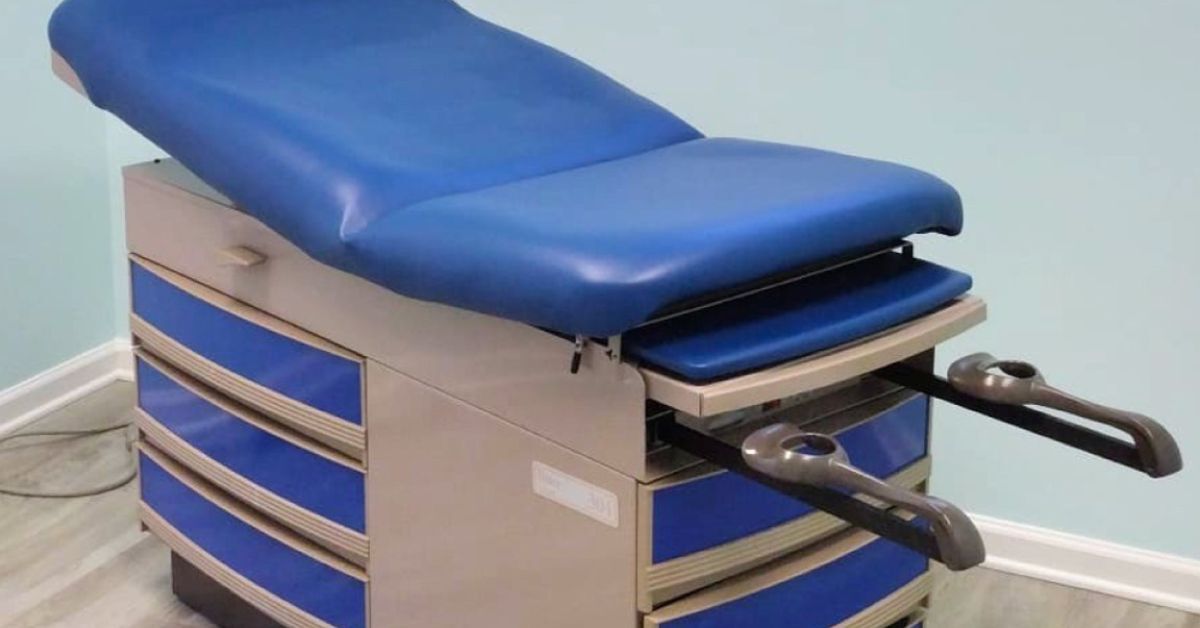
Cost-Effective Maintenance and Long-Term Savings
Comparing Reupholstering vs. Replacement
Reupholstery often costs a fraction of full equipment replacement while restoring like‑new appearance and function. Solid frames, reliable hydraulics, and working motors usually outlast original coverings by years. Reupholstering delivers an immediate refresh without the downtime, freight costs, and disposal logistics of a new table.
Replacement makes sense when structural integrity is compromised, when parts are obsolete, or when upgrading to a different modality is part of a broader clinical expansion. Otherwise, reupholstering preserves capital while aligning with sustainability goals by extending asset life and reducing waste.
Extending the Life of Your Equipment
- Wipe down upholstery immediately after each patient using manufacturer‑approved disinfectants, avoiding harsh solvents that accelerate cracking.
- Rotate use among rooms to balance wear, especially on high‑volume days and during flu season.
- Inspect seams, corners, and hinges weekly; schedule reupholstery at the first sign of foam exposure or persistent staining.
- Use disposable paper or fabric drapes on high‑contact areas to reduce abrasion and staining.
- Choose healthcare‑grade vinyl or polyurethane with antimicrobial properties, UV stabilization, and high abrasion ratings suited to your disinfectant regimen.
Selecting the right material matters as much as maintaining it. Healthcare‑grade vinyl and medical polyurethanes offer strong resistance to disinfectants, better hydrolysis resistance, and higher tear strength. Color selection also plays a role; mid‑tone shades often hide minor scuffs while still showing soil that needs removal, supporting both aesthetics and cleanliness.
Keep Care Standards High With Smart Upkeep
Every practice benefits from a simple, visible standard: when surfaces lose integrity, comfort, or cleanability, action follows. Those are the clearest signs your examination tables need to be reupholstered, and they should trigger a plan, not a debate. Addressing wear early prevents infection risks, protects patients, and keeps clinicians focused on care rather than workarounds.
A refreshed table promotes confidence the moment a patient enters the room. That visual cue, combined with better support and easier cleaning, reinforces your safety culture and elevates the overall experience. Budgets stretch further when teams reupholster before damage spreads. Taking action now helps your team avoid the extended downtime and emergency fixes that could disrupt their schedule.
Cevi Med makes this process straightforward. Our specialists can help you evaluate whether frames are reliable, which materials best fit your disinfectant protocol, and even what colors align with your brand. Scheduling assistance reduces disruptions so your rooms stay available and your staff remain productive. Contact Cevi Med to plan your reupholstery project and keep exam rooms looking and performing at their best.