How Refurbished Autoclaves Support Safe Practices
Posted by Cevi Med on 5th Jan 2026
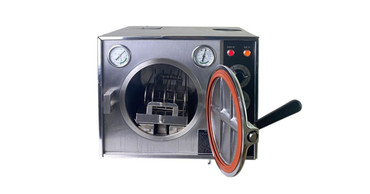
Sterilization sits at the heart of patient safety, laboratory integrity, and regulatory compliance. Autoclaves make that protection possible by using pressurized steam to destroy microorganisms across instrument surfaces and lumens. Let’s take a look at how refurbished autoclaves support safe practices while delivering measurable value and confidence.
The Core Function of Autoclaves in Sterilization
Steam sterilization relies on time, temperature, and pressure working in harmony. Pressurized environments drive saturated steam into hard-to-reach surfaces, denaturing proteins and neutralizing resistant organisms like bacterial spores. Modern control systems track exposure time, temperature, and dry times to validate each run.
Healthcare, dental, veterinary, research, and pharmaceutical environments depend on autoclaves daily. Clinics process surgical kits and handpieces. Labs sterilize glassware, media, and biohazard waste. Manufacturers validate cleanroom materials before production. Each setting depends on consistent, documented sterilization to protect people, data, and outcomes.
Effective sterilization reduces infection risk, safeguards staff, and protects the integrity of their work.
How Refurbished Autoclaves Support Safe Practices
Quality Assurance and Certification
Reputable refurbishers follow a structured process that begins with a comprehensive incoming inspection. Technicians evaluate chambers, door mechanisms, safety valves, vacuum systems, heating elements, sensors, control boards, and gaskets. Worn components get replaced with OEM or equivalent parts, and critical systems undergo calibration to fit manufacturer specifications.
Pressure integrity and vacuum leak tests validate chamber performance before functional testing. Temperature mapping confirms uniform heat distribution, while chemical and biological indicators confirm sterilization efficacy during final quality checks.
Documentation underpins trust. Credible vendors provide test reports, calibration certificates, and maintenance logs. Many align procedures with AAMI ST79 recommendations and operate documented quality systems modeled on ISO 13485 principles. Devices are restored to meet the performance criteria specified by the original manufacturer and are prepared to support compliant operations in any setting.
Cost-Effectiveness
Budgets stretch further without compromising safety or compliance. Refurbished autoclaves commonly cost 30–60 percent less than new models, which frees capital for staff, supplies, and growth initiatives. Savings extend beyond acquisition costs, as lead times are often shorter, bringing capacity online faster.
New units deliver value, but refurbished equipment can provide equivalent sterilization outcomes at a fraction of the cost. Total cost of ownership often favors refurbished options when factoring in maintenance plans, available parts, and proven reliability. Additionally, refurbished autoclaves can contribute to sustainability initiatives by reducing waste and extending the lifecycle of high-quality equipment. Practices that need an additional unit during expansion often find that refurbished units are the perfect solution.
Debunking Common Myths About Refurbished Autoclaves
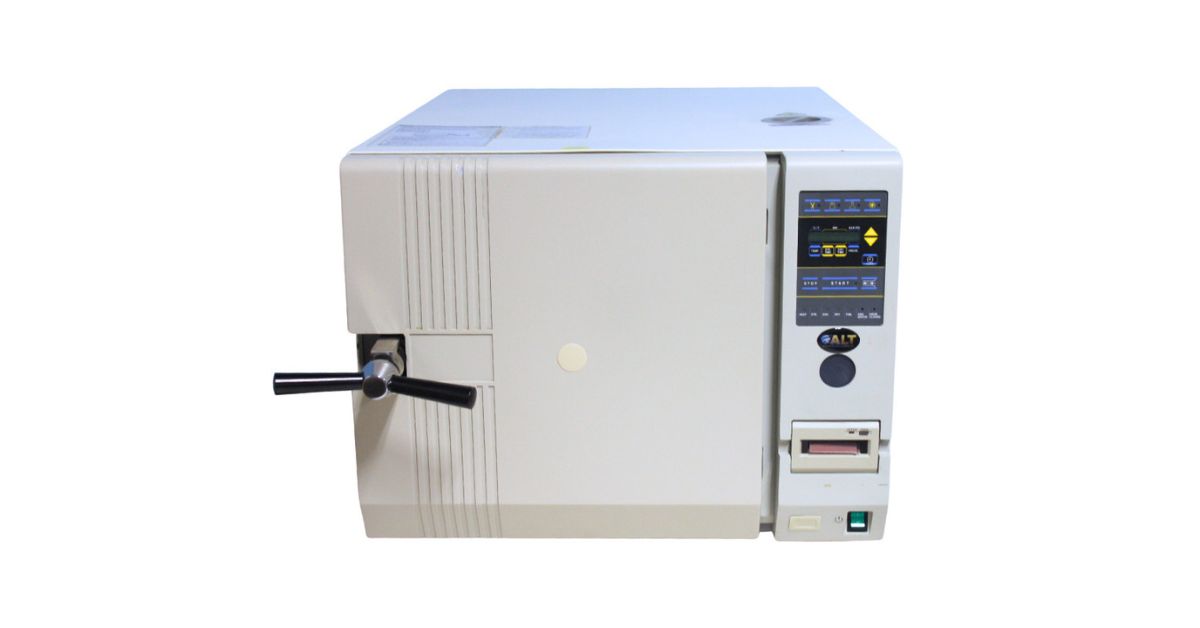
There is no room for error with sterilization, and some people might worry that a refurbished autoclave presents some risk. Fortunately, with transparent processes, documentation, and testing, you can trust refurbished equipment in the same way you would new products. Performance testing and validation confirm that refurbished autoclaves reach target temperatures and hold exposure times within specification. After your purchase, regular maintenance and adherence to manufacturer guidelines will ensure that refurbished autoclaves continue to perform reliably.
Another common misconception purchasers may have is that refurbished units lack warranties or support. Reputable suppliers stand behind their work with warranties and service plans, often comparable to entry-level coverage on new devices. Additionally, parts availability remains strong on many models with long production runs and dependable OEM support.
Finally, some buyers might have questions about compliance. Medical equipment compliance depends on validation, maintenance, and documentation across the life of the device. Refurbished autoclaves that ship with calibration certificates, test results, and service schedules make audits smoother and staff training easier. Accreditation bodies care about process control and records more than anything else.
Making the Right Choice for Your Needs
Not all refurbished equipment is equal. You want to choose the right supplier.
Vendor credibility should sit at the top of your checklist when choosing your refurbished equipment. Transparent refurbishment steps, clear test documentation, and a defined warranty signal reliability. Service availability, parts access, and training support help the device maintain performance over time. The right partner will also guide model selection that aligns with your load types and throughput. By partnering with a trusted supplier, you can access expert guidance on selecting the right autoclave model, ensuring it meets your specific sterilization needs and operational goals.
Once you know which supplier you want to work with, it’s time to determine which models would work best for you. Size and capacity impact cycle efficiency and daily operations. Countertop units suit smaller practices with light instrument volumes, while bench-top and floor models handle larger trays, cassettes, and wrapped packs without cramming loads. Pre-vacuum units support wrapped and porous items more effectively, while gravity cycles work well for simple, unwrapped loads. Model choice should match the number of sets you process per hour, not just total daily demand.
Next, you want to think about regulatory and accreditation requirements. AAMI ST79 alignment, validation records, and routine spore testing practices should fit your policies. Teams that expect growth in instrument volume should consider chamber size and cycle flexibility to avoid future bottlenecks.
Buyers searching for a secondhand autoclave for sale should request recent calibration certificates, leak test results, and performance validation reports. Clear documentation reduces onboarding friction and speeds internal approval. A service plan that includes routine inspections, water quality guidance, and timely consumable replacements keeps your practice audit-ready.
Investing in Safety With Cevi Med
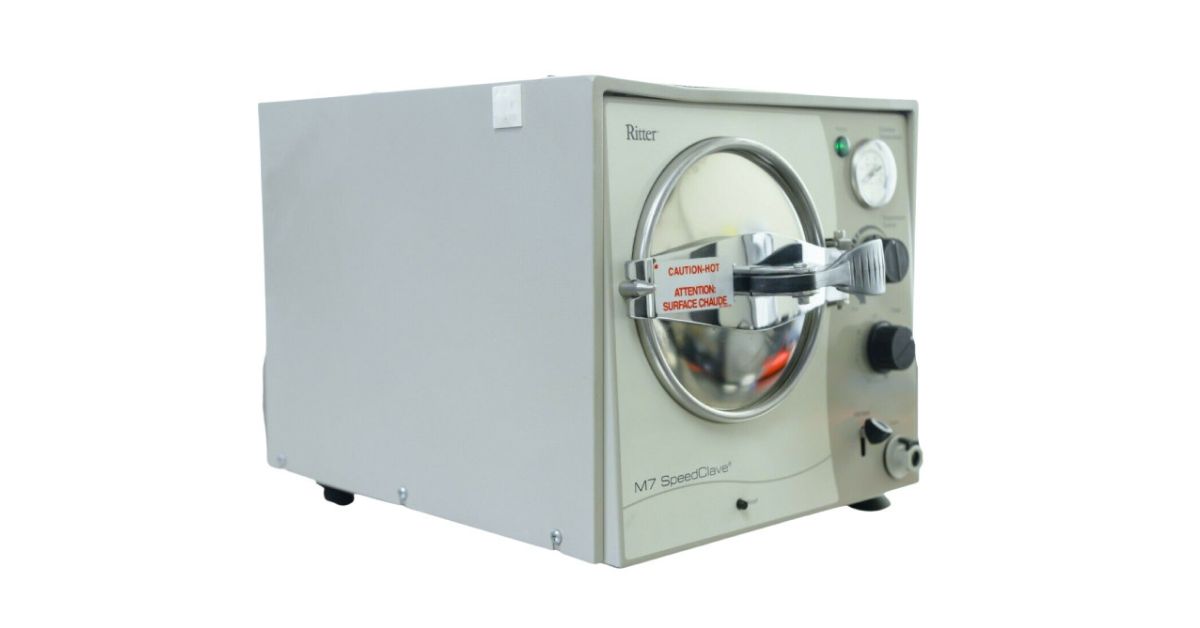
Safe sterilization depends on proven performance, documented validation, and supportive service. Refurbished autoclaves deliver that foundation at a smart price point, often with faster deployment and familiar interfaces. Clinics, labs, and surgery centers can protect patients, staff, and outcomes while stewarding budgets wisely. That balance reflects how refurbished autoclaves support safe practices in real-world settings.
Confidence grows with a partner who prioritizes quality and compliance. Cevi Med offers carefully refurbished autoclaves backed by testing, documentation, and support that align with industry expectations. Teams gain reliable capacity, predictable maintenance plans, and a smoother path through audits and accreditation reviews.
Ready to expand or replace your sterilization capacity without compromising safety? Explore refurbished medical equipment and supplies from Cevi Med, including autoclaves configured for your load types and throughput goals. Your staff will appreciate the reliability, and your patients will benefit from consistent, compliant sterilization every single day.