
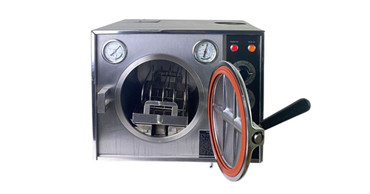
Essential Maintenance Tips for Refurbished Autoclaves
Posted by Cevi Med on 25th Nov 2025
Autoclaves keep patients safe, instruments clean, and regulators satisfied. Additionally, clinics and labs rely on them daily, which makes uptime and reliability nonnegotiable. Refurbished autoclaves deliver excellent value by combining dependable performance with smart cost savings and reduced environmental impact. Practices that buy pre-owned gain proven reliability without the long lead times. However, maintaining your clinic’s refurbished autoclave is necessary for protecting that investment.
Choosing a used autoclave from a reputable distributor aligns with sustainability goals while supporting budget control. Staff confidence also climbs when the unit behaves predictably, cycle after cycle. Performance stays strong when you implement simple, consistent maintenance protocols like those below.
Understanding Refurbished Autoclaves
Refurbished autoclaves are pre-owned units that have undergone inspection and validation by trained technicians. These teams replace worn parts, test performance, and ensure compliance. Trusted sellers often include warranties and service options that reinforce confidence in the purchase.
Cost savings associated with choosing refurbished tools can free up finances for growth, staffing, or additional instruments. Clinics gain the functionality of a new unit without steep depreciation or supply delays.
Regular Cleaning and Maintenance
Cleanliness drives sterilization performance. Residue buildup interferes with heat transfer and can compromise cycle outcomes, so consistent cleaning keeps everything on track.
- Daily cleaning
- Wipe the chamber with a non-abrasive cloth and a manufacturer-approved cleaner. Remove debris from trays and racks.
- Clean the door and handle, then dry surfaces thoroughly. Keep the door slightly ajar after shutdown to let moisture escape.
- Weekly maintenance
- Empty and clean the water reservoir. Rinse with distilled water, and inspect for sediment or biofilm.
- Inspect the door gasket and mating surfaces. Remove lint or residue and check for compression set, cracks, or tears.
Logs matter as much as the work itself. A quick checklist helps staff stay consistent and gives you a record for audits and service calls.
Monitoring Water Quality
Water quality can make or break an autoclave’s lifespan. Distilled or deionized water prevents mineral deposits that block lines, damage heaters, and stain the chamber. Hard water shortens component life and undermines sterilization performance over time.
Adjusting reservoir levels each day prevents dry firing and protects heating elements. Additionally, it’s wise to conduct periodic water purity checks if your facility switches suppliers or stores large batches. Descaling intervals depend on use and water quality; follow the manufacturer’s recommendations and adjust based on visual inspection. Cleaner water means fewer service calls and more consistent cycles.
Inspecting and Replacing Gaskets
Door gaskets create the seal that holds pressure and ensures sterilization parameters are met. Wear shows up as flattening, cracking, sticking, or steam leaks at the door during cycles. Residue on sealing surfaces can mimic gasket failure, so start with a careful cleaning.
Replacement works best with an OEM or manufacturer-approved gasket. Follow the unit’s service manual for orientation, seating, and tension settings. Many models call for a light, approved lubricant; petroleum-based products typically are not recommended unless specified by the manufacturer. After installation, run a test cycle and observe the door area for leaks. A proper seal safeguards pressure, protects operators, and prevents costly reprocessing.
Checking and Calibrating Gauges and Controls
Accurate pressure and temperature readings are the heartbeat of your sterilization process. Drift happens with age, vibration, and heavy use, so routine verification can be necessary to keep readings honest. Compare displayed values to external reference tools during a controlled test cycle, and note any variance.
Calibration should follow a schedule aligned with manufacturer guidance and regulatory expectations. Document the date, technician, method, and results. Staff training helps prevent operational errors that masquerade as calibration issues, such as incorrect cycle selection or improper warm-up. Reliable gauges and precise controls reduce failed cycles, save staff time, and protect instrument integrity.
Testing and Validation
Routine performance testing verifies that sterilization is effective, not just that the unit runs. Biological indicators (BIs) challenge cycles with resistant spores and confirm true microbial kill. Many clinics run BI tests weekly or with each load type change, depending on state or organizational policy.
Process challenge devices, Bowie-Dick tests for pre-vacuum models, and chemical integrators all have roles in a robust validation program. Document results immediately, store them securely, and keep a simple trend log that flags anomalies. Clear records support compliance, simplify inspections, and help you resolve issues quickly if a cycle fails.
Preventing Corrosion
Stainless steel resists corrosion, yet harsh cleaners, chloride exposure, and retained moisture still cause damage. Standing water at the bottom of the chamber, wet packaging, and bleach-based products accelerate pitting and rust.
Safer practices pay off. Use manufacturer-approved chamber cleaners and soft cloths, and remove metal instruments promptly after cycles. Dry the chamber and keep the door slightly open after shutdown. If discoloration appears, address it right away with approved products. Corrosion that reaches critical components becomes expensive, while early action usually remains simple and affordable.

Proper Loading Techniques
Smart loading supports efficient steam circulation and consistent sterilization across the entire load.
- Separate packs and cassettes so steam can reach all surfaces. Avoid stacking heavy items that block airflow.
- Place pouches on edge with paper to plastic, and avoid overfilling trays. Rotate frequently used instrument sets to balance wear.
Orientation matters as much as spacing. Heavier sets belong on lower shelves, with lighter items above, and packaging must match the cycle type and be compatible with steam sterilization. Good loading habits reduce wet packs, cut reprocessing time, and protect instrument coatings.
Ensuring Longevity and Reliability
Well-maintained autoclaves deliver predictable uptime, faster turnaround, and lower total ownership cost. Daily cleaning, weekly inspection, careful water management, and disciplined validation form a dependable routine. Staff training and documentation hold the process together, especially when new team members rotate in. Maintaining your clinic’s refurbished autoclave preserves sterility assurance and safeguards patient safety.
Cevi Med stands behind high-quality refurbished units with practical guidance and service-minded support. Clinics gain the financial advantages of a used autoclave without sacrificing performance or compliance. When it’s time to replace or expand, choose a trusted partner that prioritizes your outcomes. Purchase refurbished equipment from Cevi Med and count on a team focused on your success, from selection to long-term maintenance.