
Cleaning Tips for Refurbished Exam Tables
Posted by Cevi Med on 18th Dec 2025
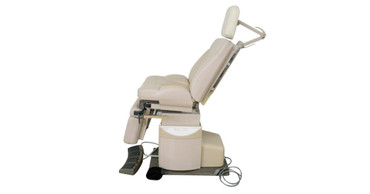
Refurbished exam tables deliver dependable performance and smart value when cared for correctly. Cleanliness also signals your commitment to patient safety in every interaction. Clinics that standardize cleaning practices reduce infection risk, preserve upholstery, and avoid premature wear. That consistency helps refurbished and used examination tables look professional longer while maintaining reliable function between visits.
These quick care tips focus on efficient, compliant methods that respect delicate finishes, electronics, and moving parts while keeping your team’s workflow streamlined. Your staff and patients notice the difference when protocols are clear, repeatable, and easy to execute.
Cleaning your practice’s refurbished exam tables elevates care and supports trust during every appointment, so don’t hesitate to establish a strong protocol today!
Use EPA-Approved Disinfectants
Healthcare-grade disinfectants registered with the EPA offer proven efficacy when used according to label directions. Contact time matters as much as product selection, since surfaces must remain visibly wet for the specified duration. That timing varies widely across chemistries, and many teams benefit from a simple timer near each room.
Product compatibility is another factor you will need to keep in mind. Many refurbished tables feature medical vinyl or polyurethane upholstery, which typically responds best to neutral pH, non-bleach formulas. Low-residue products prevent excessive tackiness, film buildup, and premature cracking. Always review the table’s instructions for use and match approved chemistries accordingly. Staff training should cover safe handling, proper storage, and mixing (if your facility prefers to use concentrations).
Not Sure Where To Start? Consult EPA’s List N
EPA List N confirms products expected to work against SARS-CoV-2 while remaining broadly useful for high-touch surfaces. Teams that periodically verify products on List N can stay ahead of supply changes and label updates. Consider posting a small, dated reference card with approved disinfectants and their contact times in each exam room. That quick reference reduces errors and keeps dwell time top of mind when schedules get tight.
Avoid Harsh Chemicals and Abrasive Cleaners
Harsh solvents and bleach-heavy formulas can dull finishes, weaken seams, and cause microcracking that harbors contaminants. Abrasive powders and scrub pads create microscopic scratches that are difficult to sanitize consistently. Safer choices protect the integrity of refurbished upholstery without sacrificing hygiene standards. Select neutral pH cleaners for pre-cleaning when visible debris is present, then follow with your approved disinfectant.
Add rinsing to the process when residues remain after disinfection. Softened water can also reduce cleaner-caused spotting on finished surfaces.
Opt for Soft, Non-Abrasive Microfiber Cloths
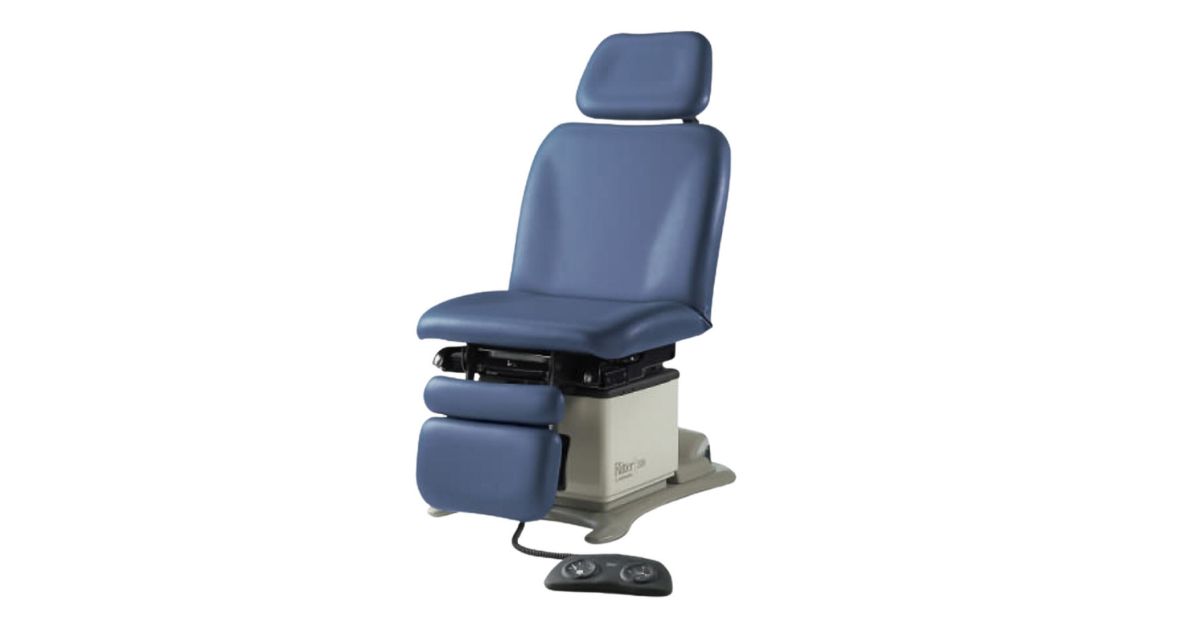
Microfiber removes soil efficiently and preserves upholstery texture, making it ideal for routine and between-visit cleaning. Dedicated color-coding by zone or task reduces cross-contamination and helps teams keep clean and soiled textiles separate. Fresh cloths deliver consistent contact time, since saturated rags leave surfaces under-wet and undermine disinfection. Fold cloths into quadrants and flip to a clean panel as you progress, replacing them promptly when saturated.
Lint-free, low-snag weaves protect stitching near seams, hinges, and contoured edges. Disposable wipes approved for your materials also work well, especially in high-volume rooms where speed and standardization matter. Storage also influences performance; keep clean textiles covered and off countertops to avoid airborne dust.
Prioritize Personal Protective Equipment (PPE)
PPE safeguards staff while they handle chemicals and interact with recently used surfaces. Nitrile gloves, eyewear for splash protection, and procedure masks keep the process safe and efficient. Hands remain protected from disinfectants that can cause irritation during frequent use. Clear signage near sinks and supply stations shortens setup time and reinforces compliance.
Training should include proper donning and doffing steps, glove changes between rooms, and hand hygiene before and after each cleaning cycle. Teams usually benefit from quick refreshers during seasonal surges or staffing changes. Visible leadership support encourages consistency and boosts compliance during busy clinic hours.
Initial Removal of Disposable Paper or Coverings
Beginning with a clean slate improves outcomes and saves time. Removing exam table paper, drapes, and any disposable coverings eliminates bulk debris and contaminants in one controlled motion. Roll inward rather than lifting straight up to minimize particle spread, and dispose of materials immediately.
Follow with a quick visual check for adhesive residue, lotions, or marker traces from procedures. Pre-clean those spots using a cloth moistened with an approved cleaner, not dry friction, which can push soil into seams. This brief step sets the stage for proper disinfection and prevents the all-too-common issue of trapped grime reappearing after the surface dries.
Apply Cleaning Solution to a Fresh Cloth
Spraying disinfectant directly onto upholstery creates the risk of oversaturating seams, seams, control panels, and electrical components. A moistened cloth provides controlled coverage and reduces chemical drift onto sensitive areas like foot controls and handsets. An even application also supports reliable contact times, reducing missed patches and streaks. Keep a second cloth on hand to re-wet areas approaching dryness during the dwell window.
Note that any electronics benefit from a light hand during cleaning. Apply solution to the cloth, wring slightly, then wipe keypads and switches with minimal moisture. Follow any manufacturer guidance for display screens or touch controls, and never allow liquids to pool near adjustment mechanisms or power ports.
Systematic Cleaning of the Entire Surface
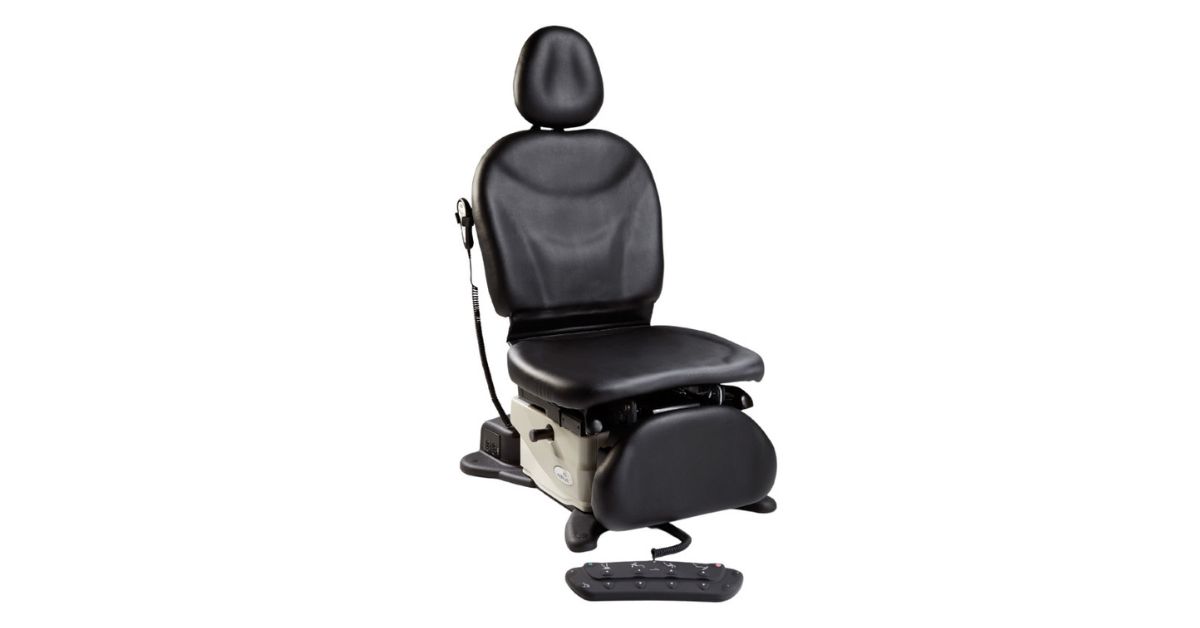
A consistent pattern ensures no surface gets skipped when rooms turn over quickly. Many teams prefer a top-to-bottom, clean-to-dirty sequence because gravity works in your favor and reduces rework. Start with headrests and move across the main surface, then address sides, stirrups, rails, arm supports, and base panels. High-touch zones like levers, control panels, drawer handles, and step areas deserve extra attention during every cycle. Make slow, deliberate passes on seams, edges, and transitions between upholstery panels to maintain visible wetness for the full contact time.
Drying can proceed after the label time elapses, if required by the product. Air-dry where allowed by the manufacturer, or use a fresh, dry microfiber cloth to remove any residue without buffing aggressively.
Routine Inspections for Wear and Tear
Small problems become big ones when daily demands add up. Quick weekly checks help you spot early signs of seam stress, loose hardware, or unusual noises from powered adjustments. Upholstery that feels tacky after routine cleaning may indicate chemical incompatibility or finish breakdown.
Lubricate moving parts only as the manufacturer recommends, keep drip trays or protective towels beneath mechanisms during service, and tighten accessible fasteners often. Document any damage and schedule repairs before surfaces become difficult to disinfect. Refurbished and used examination tables respond well to proactive care, and a simple log keeps accountability clear across teams and shifts.
Maintaining Value and Hygiene With Cevi Med
Reliable cleaning protocols protect patients, reduce rework for staff, and preserve the investment you made in refurbished equipment. Refined habits like cloth rotation, managed dwell times, and gentle chemistries keep upholstery looking professional while supporting infection control goals. Your practice benefits when every room follows the same, well-documented process.
Ready to upgrade, add capacity, or replace aging equipment that no longer cleans easily? Explore Cevi Med’s selection of refurbished exam tables, and match your protocol with proven models built to last. Consistency begins with the right equipment and a clear process, and both are within reach. Cleaning your practice’s refurbished exam tables preserves patient trust while protecting your budget, room after room.